Animated cinema is an art form that has evolved over time; however, in Mexico it has been scarcely documented and disseminated. Through this project, supported by FOCINE (Mexican Film Promotion Program) of IMCINE (Mexican Institute of Cinematography), in collaboration with the Digital Restoration Laboratory of the Cineteca Nacional de México, we aim not only to preserve the legacy of classic animation, but also to make it accessible to new generations, allowing them to enjoy and learn from these cinematic gems that, until now, had largely remained hidden.
Six animated short films produced by Producciones AVA, founded by Alonso Vergara Andrade and created between 1935 and 1937, were digitized and restored. These works can be considered among the first animated film productions in Mexico. We have worked with passion to revive these animated treasures from the pioneers of animation in our country and to preserve their cultural and artistic richness, restoring part of their original splendor. We hope you enjoy this restoration as much as we enjoyed carrying it out. Thank you for allowing us to share this journey through time with you.
↓ Process ↓
Our step by step
PHYSICAL INSPECTION AND REPAIR
The first step in the restoration process was a meticulous inspection of the film materials to identify any physical damage, such as tears, stains, or discoloration. Physical repairs were carried out when necessary to ensure that the negatives were in the best possible condition before digitization.
FILM DIGITIZATION
After the bench work, the negatives were transferred to the film scanning area, where each frame of the six reels was scanned at high resolution (4K) and with high bit depth (16 bits). This allowed us to capture the maximum amount of image information for the subsequent stages of restoration, using the ARRISCAN, a film scanner specialized in archival and/or historical materials.
DIGITAL RESTORATION
During the restoration process, the goal is to recover the material and restore it as much as possible from the deterioration caused by the passage of time, without attempting to make it look new. It is important to preserve some traces of aging, as they are part of its history. Specialized digital restoration software is used, along with filters and digital tools to repair damage.
COLOR RESTORATION
Digital color restoration was carried out using DPX files obtained from the scan. Since the scanned files were in a logarithmic profile, the image was normalized, contrast was restored, shadow details were recovered, and highlights were adjusted. Masks were created for the most degraded areas, and framing was refined by removing overscan while preserving the film’s original aspect ratio.
AUDIO DIGITIZATION AND REMASTERING
Audio digitization and remastering are also key steps in the restoration process. Work was carried out on capturing, synchronizing, cleaning, and enhancing the original soundtracks, as well as adapting them for modern playback systems.
DIGITAL OUTPUT
The material was prepared for output in the appropriate formats. The final result is a revitalized version of these short films that respects their original essence while offering an enhanced visual and auditory experience for contemporary audiences.
Comparison
Before - After
Making Of
Behind the scenes of the creative and technical process
Shorts
Coming soon online!
Team
Humans behind the project
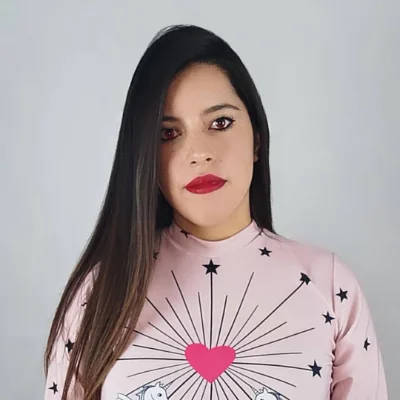
JANIA ALARCÓN
Project Coordination Digital Image Restoration
Jania Alarcón is an illustrator and digital film restoration artist. She holds a Bachelor’s degree in Visual Arts from the Faculty of Arts and Design at Universidad Nacional Autónoma de México. She has participated in festivals and collective exhibitions of drawing and animation in Mexico City, Ecuador, the United Kingdom, Poland, and France. She currently works at the Cineteca Nacional de México as a Digital Image Restoration specialist.
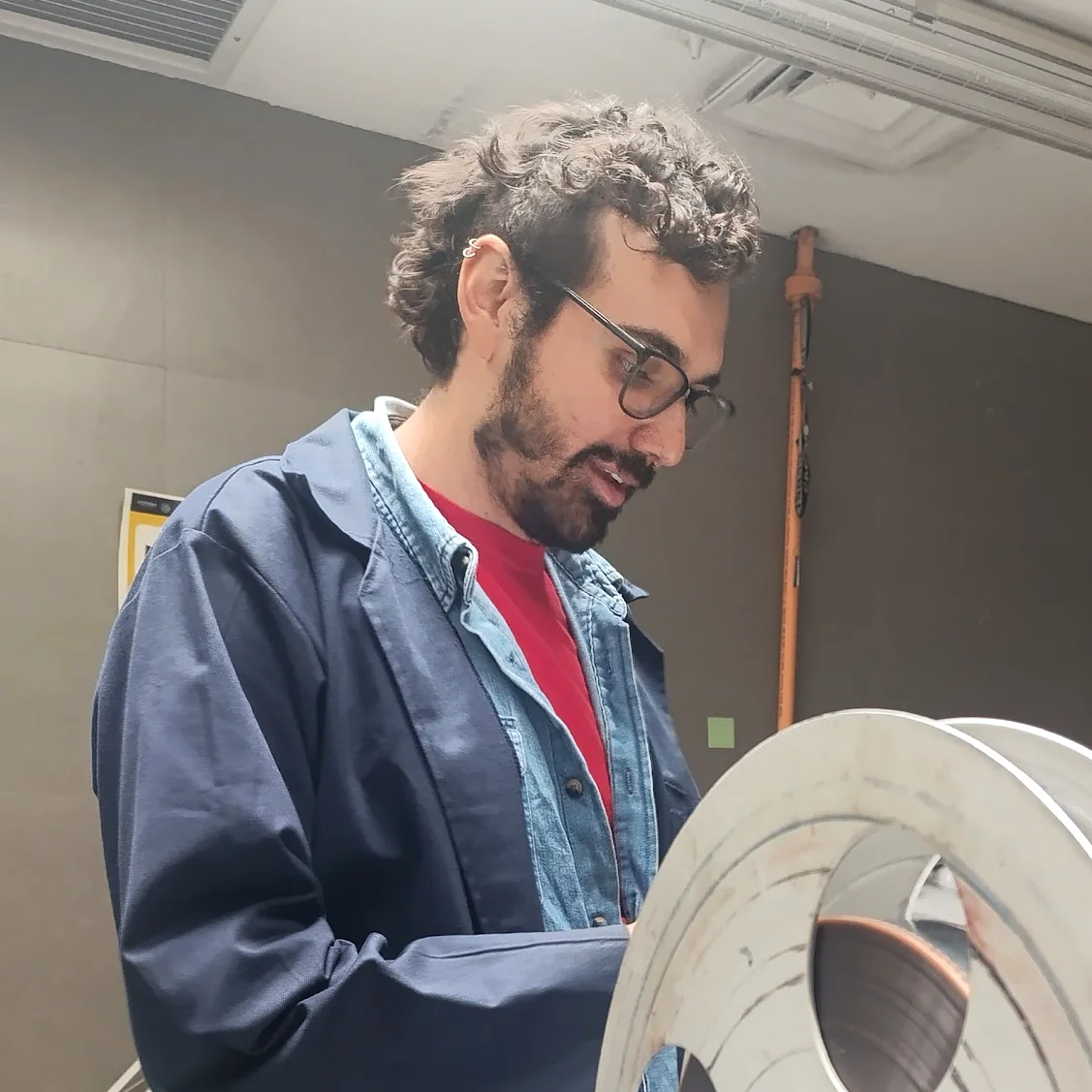
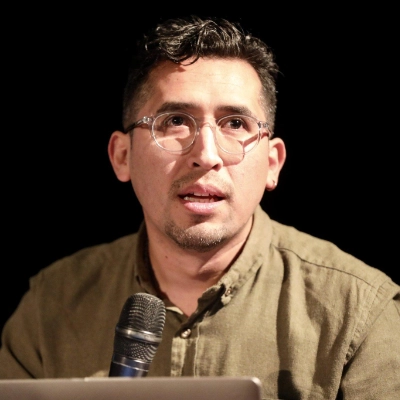
ALFONSO ESPINOSA
Review and Restoration of film material
Food Chemist from Universidad Nacional Autónoma de México (UNAM), with over ten years of experience at the Digital Restoration Laboratory of the Cineteca Nacional de México. Their work focuses on the inspection, cleaning, and physicochemical stabilization of film materials, as well as the development of safety protocols and technical innovation.
He has participated as a speaker at national and international events and have coordinated and authored articles on film preservation in specialized media.
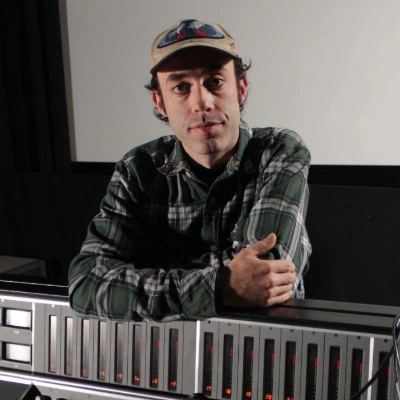
CESAR DE LA ROSA
Image digitization
César de la Ross Anaya is an audiovisual researcher and specialist in the digitization of film and video collections, primarily for preservation and restoration projects. He has been the lead operator and supervisor of film scanning with ARRISCAN at the Digital Restoration Laboratory of the Cineteca Nacional de México for the past 12 years.
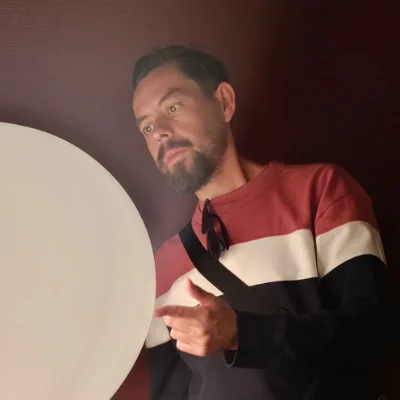
DANIEL ÁNGELES
Color restoration
Daniel Ángeles is a Communications graduate from Universidad Nacional Autónoma de México (UNAM) and holds Master’s-level studies in Film Archives from Elías Querejeta Zine Eskola (EQZE). He has contributed articles on cinema and audiovisual media for journals and publications, and has presented at film archive conferences. He currently works as a color restoration specialist at the Cineteca Nacional de México.
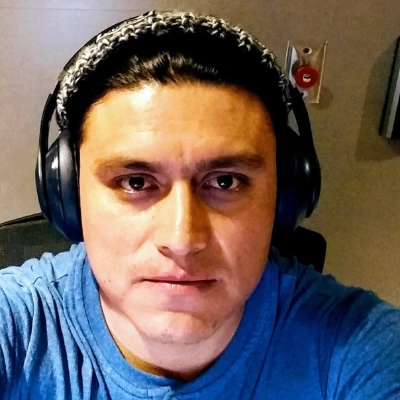
GERARDO TRIGUEROS
Audio digitization and remastering
Bachelor’s degree in Communication, specializing in audio post-production.
With over 15 years of experience in the audiovisual industry, they have worked across both production and post-production sound departments, including sound design, dialogue editing, incidental sound, effects and music, studio and on-location recording, and the digitization of film materials.
JORGE ALVAREZ
Digital outputs
Studied Communication and Audiovisual Production at Universidad Nacional Autónoma de México. Has participated in audiovisual projects involving editing, concert production, and post-production. Currently works in the mastering department of the Digital Restoration Laboratory at the Cineteca Nacional de México.
SALVADOR CHÁVEZ
Finance and Administration
Salvador Chávez Regalado is a Mechatronics Engineer, graduated from the Professional Unit of Engineering and Advanced Technologies of the Instituto Politécnico Nacional. He has developed his professional career at the intersection of engineering, art, and digital culture
LORENA POZOS
Documentation
Stage Producer from Universidad del Claustro de Sor Juana. She has collaborated in festivals such as Mórbido Film Fest and Animasivo. She is the Director and Programmer of Cineclub Jardín, a space dedicated to celebrating cinema in all its forms and other cultural expressions.
She currently works as a digital image restoration specialist at the Cineteca Nacional de México.
SAM ALARCÓN
Design and Web Development
Motion Designer and Web Developer focused on creating interactive products, with over 10 years of experience in the digital industry. He earned a bachelor’s degree in Design and Visual Communication from the School of Arts and Design at the National Autonomous University of Mexico. His work lies at the intersection of design, animation, and programming.
PACO PERICO
Actor and public figure
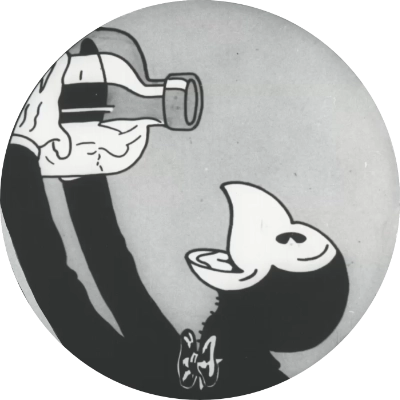
Paco perico is an actor from the 1930s, best known for his roles in “Paco Perico en Premier” and “Una Noche en Posada.” Throughout his career, he has been an iconic figure in Mexican animation, bringing charisma and humor to his character. His legacy endures as a cultural icon who has left an indelible mark on the history of animated film in Mexico.
Credits
Thank you to everyone who supported us on this adventure!
Project Coordination for Restoration
Jania Alarcón
Review and Restoration of Film Material
Alfonso Espinosa
Digitalization of Image
César De la Rosa Anaya
Image Restoration
Jania Alarcón
Color Restoration
Daniel Ángeles
Digitalization and Sound Restoration
Gerardo Trigueros
Digital Outputs
Jorge Miranda
Finances and Administration
Salvador Chávez
Documentation
Lorena Aguirre
Website
Samuel Alarcón
CINETECA NACIONAL DE MÉXICO
Special Acknowledgments
General Director
Marina Stavenhagen
Collection Director
Carlos Edgar Torres
Coordination of digitization and restoration projects
Aleheli López Maldonado
Engineering and Technical Support
Marco Osvaldo Vargas Sánchez
Alberto Macías Portilla
Laboratory and Collections Staff
Diana Hernández
Rolando Díaz
Renata Arcos
Monserrat Chimal
Manuel Luna
Alehelí Alba
Antonio Gutierrez
Rene Guzmán
Alejandro Muñoz
Pedro Bermúdez
Special Acknowledgments
Consultant in restoration, preservation and conservation of film heritage
Paolo Tosini
Karina Flores, Antonio Alvárez del Castillo, Angelica Montiel, Anwar Sosa, Hermes Saucedo, Octavio Pozos, Priscilo P., Pato Aldo
To my family, Alarcón Hernández for all their support
Contact
Want to know more about the project? Send us a message